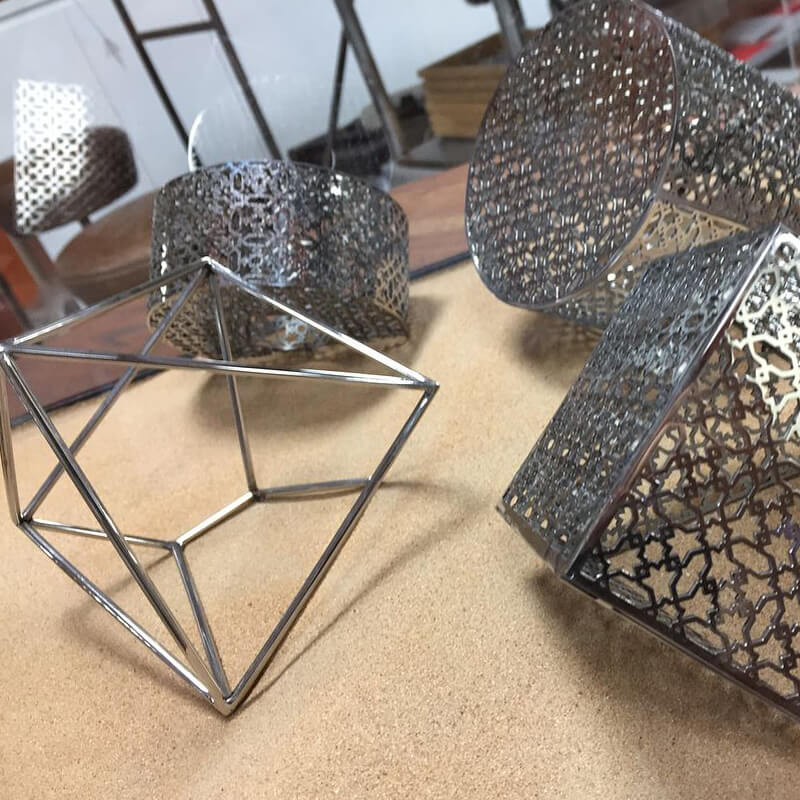
Metal fabrication shops rely on a range of tools and machines to transform raw steel into usable structures and components. Metal fabrication in Dubai uses advanced equipment to cut, shape, and assemble metals.
Workers depend on these machines to perform tasks accurately and quickly, which helps shops complete projects on time and meet client expectations.
Cutting Machines:
Cutting is one of the first steps in fabrication. Shops use tools like plasma cutters, laser cutters, and saws to trim metal sheets or beams. These machines allow precise shapes and sizes, reducing the need for manual adjustments. By cutting accurately, fabrication shops save material and reduce errors during the assembly stage.
Bending and Forming Equipment:
After cutting, metals often need bending or shaping. Press brakes, rollers, and other forming machines allow workers to create curves and angles without damaging the metal. These tools give pieces the exact shape required for frames, panels, or machinery parts. Bending equipment handles both thick and thin materials, offering flexibility for various projects.
Welding Systems:
Welding is used to join metal pieces together. Shops use MIG, TIG, and stick welding machines depending on the project. Automated welding robots are common in larger workshops, performing repetitive tasks with high precision. Welding equipment strengthens components and allows fabricators to assemble complex structures efficiently.
Drilling and Fastening Tools:
Drilling holes and attaching fasteners are common steps in fabrication. Drill presses, pneumatic tools, and handheld machines help workers complete these tasks quickly. Correctly placed holes and fasteners ensure that parts fit together tightly and securely. These tools speed up production while keeping the final assembly precise.
Material Handling Machinery:
Moving heavy metal sheets and finished components is safer with material handling equipment. Cranes, lifts, and conveyors help transport items around the workshop. This reduces strain on workers and lowers the risk of accidents.
Measuring and Inspection Tools:
Precision is key in metal fabrication. Shops use laser measuring devices, calipers, and other inspection tools to check dimensions. These tools help spot small mistakes before final assembly, reducing the need for rework. Accurate measurements keep the quality of products high and maintain consistency across projects.
Metal fabrication shops combine cutting, forming, welding, drilling, and handling tools to produce metal structures smoothly. Metal fabrication depends on these machines to maintain speed, accuracy, and safety. Using the right tools for each task allows workshops to complete projects effectively while delivering high-quality results to clients.